- English
- Español
- Português
- русский
- Français
- 日本語
- Deutsch
- tiếng Việt
- Italiano
- Nederlands
- ภาษาไทย
- Polski
- 한국어
- Svenska
- magyar
- Malay
- বাংলা ভাষার
- Dansk
- Suomi
- हिन्दी
- Pilipino
- Türkçe
- Gaeilge
- العربية
- Indonesia
- Norsk
- تمل
- český
- ελληνικά
- український
- Javanese
- فارسی
- தமிழ்
- తెలుగు
- नेपाली
- Burmese
- български
- ລາວ
- Latine
- Қазақша
- Euskal
- Azərbaycan
- Slovenský jazyk
- Македонски
- Lietuvos
- Eesti Keel
- Română
- Slovenski
- मराठी
- Srpski језик

How Does a Self-Cleaning Pass Box Improve Contamination Control?
Abstract: The Self-Cleaning Pass Box is an essential tool in modern laboratories, cleanrooms, and pharmaceutical environments. This guide provides a detailed overview of its design, applications, and parameters, along with answers to common operational questions. By understanding its functionality and maintenance requirements, organizations can enhance contamination control and operational efficiency.
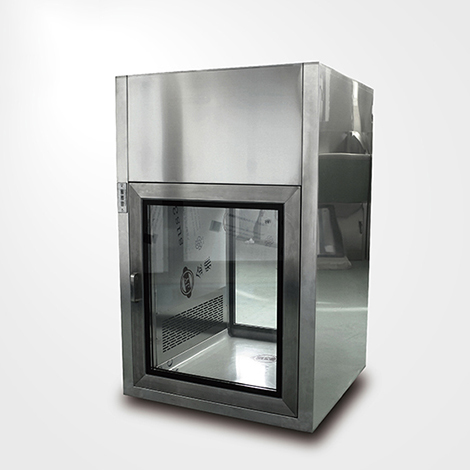
Table of Contents
- Introduction to Self-Cleaning Pass Box
- Technical Specifications
- Frequently Asked Questions
- Conclusion and Brand Information
Introduction to Self-Cleaning Pass Box
The Self-Cleaning Pass Box is a specialized piece of equipment designed to transfer materials between different areas in controlled environments while minimizing contamination risks. It is widely used in cleanrooms, laboratories, hospitals, and pharmaceutical facilities. The primary function is to ensure that particles, dust, or microbial contamination do not cross between rooms with differing cleanliness standards.
This article explores the Self-Cleaning Pass Box in detail, including its key features, technical specifications, and operational benefits. Readers will gain insights into how this device improves cleanroom workflows, the types of models available, and maintenance best practices.
Technical Specifications
Below is a detailed overview of the Self-Cleaning Pass Box parameters to illustrate its professional design:
| Parameter | Specification |
|---|---|
| Material | 304 Stainless Steel, corrosion-resistant |
| Dimensions | Standard: 600x600x600mm; Custom sizes available |
| Doors | Double-sided interlocking doors with transparent acrylic |
| UV Sterilization | Automatic UV-C lamps for surface sterilization |
| Filtration | HEPA H13/H14 filters with efficiency ≥99.97% |
| Control System | Microprocessor-based control with interlock function |
| Power Supply | AC 220V ±10%, 50Hz |
| Noise Level | <55 dB during operation |
| Usage Environment | ISO Class 5–8 cleanrooms |
Frequently Asked Questions about Self-Cleaning Pass Box
Q1: How does a Self-Cleaning Pass Box ensure contamination control?
A1: The pass box uses interlocking doors, HEPA filtration, and UV sterilization to prevent particles from entering or leaving the controlled area. The interlock system ensures that only one door can be opened at a time, maintaining pressure differentials and preventing cross-contamination.
Q2: How often should the UV sterilization lamps be replaced?
A2: UV-C lamps typically need replacement after 8,000–10,000 operational hours. Regular replacement ensures effective sterilization. Users should monitor the lamp's performance and follow manufacturer guidelines to maintain optimal sanitation.
Q3: How to clean and maintain a Self-Cleaning Pass Box?
A3: Routine maintenance includes wiping surfaces with approved disinfectants, checking HEPA filters for dust accumulation, inspecting interlocks and door seals, and verifying UV lamp functionality. Scheduled maintenance reduces contamination risk and extends equipment lifespan.
Q4: How to choose the appropriate size for different cleanroom applications?
A4: Selection depends on the size and volume of materials to be transferred. Standard sizes suit small tools and containers, while custom models can accommodate larger items. Consideration of throughput frequency and workflow efficiency is essential for proper sizing.
Q5: How is a Self-Cleaning Pass Box integrated into cleanroom automation systems?
A5: Modern units can be equipped with sensors, RFID, or barcode readers to track items. Integration with cleanroom management systems ensures traceability, reduces manual handling, and improves operational efficiency.
Conclusion and Brand Information
Self-Cleaning Pass Boxes are critical for maintaining high-level contamination control in sensitive environments. Their interlocking doors, HEPA filtration, UV sterilization, and robust construction make them indispensable for laboratories, pharmaceutical production, and cleanroom operations.
Jinda offers a range of high-quality Self-Cleaning Pass Boxes designed to meet diverse cleanroom standards and operational requirements. For more detailed information or personalized solutions, please contact us today.